All Chinese Name Characters — Full Index with Meanings
Every character in our Chinese name reference, with pinyin and meaning. Each entry links to a page with stroke count, structure and naming guidance.
How to use this index
Every entry below is a real Chinese character (or a fixed four-character expression) with its pinyin and English meaning. Click through to any entry and you will find the stroke count, the radical, the words the character appears in, and design guidance for using it.
The characters are grouped exactly as they appear in the reference, so the order is alphabetical by the English meaning rather than by the Chinese character. If you already know the meaning you want, scan the Meaning column; if you know the character, scan the Character column.
Before you choose
Two checks prevent almost every mistake. First, confirm the character itself rather than a translation — a single missing or added stroke produces a different word, and the pages here list the exact stroke count so you can compare. Second, confirm the form: simplified characters are used in mainland China and Singapore, traditional characters in Taiwan, Hong Kong, Macau and many overseas communities. Keep the whole design inside one system.
Every entry is checked against Unicode's Unihan database (strokes, radical, pinyin, meaning) and reviewed by a native Chinese editor. If you want a character checked and turned into a stencil-ready design pack, use the quote form and we will confirm the character before you book an artist.
Frequently asked questions
How many characters are in this reference?
This index lists every character and phrase in our reference, each with its own page containing stroke count, meaning and design notes. New entries are added over time.
Can I use more than one character together?
Yes, but use a fixed, well-known expression rather than assembling characters yourself. The phrases in this index are established expressions, so their wording and meaning do not change.
Should the character be simplified or traditional?
Choose the form used by the people you most want to read it, then keep the entire design consistent. Mixing the two systems looks like an error to any Chinese reader.
Is it safe to get a Chinese character tattoo?
Yes, when the character and its meaning are verified before you ink. The tattoo carries the ordinary risks of any tattoo; the character carries the risk of a wrong stroke or a mistranslation.
Where does the data come from?
Stroke counts, radicals, pinyin and meanings come from Unicode's Unihan database. Common words and HSK levels come from the official HSK vocabulary list, with definitions from CC-CEDICT.
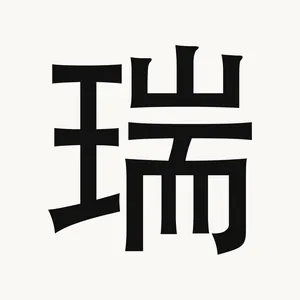 瑞ruì
瑞ruì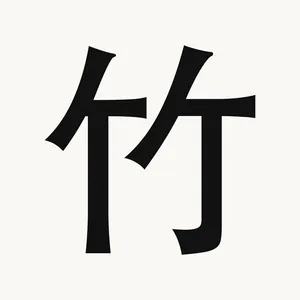 竹zhú
竹zhú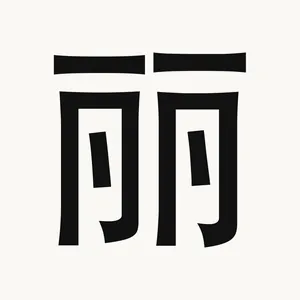 丽lì
丽lì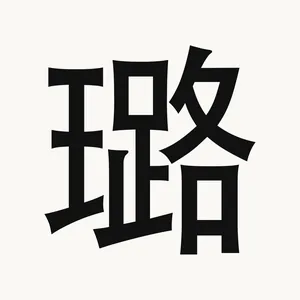 璐lù
璐lù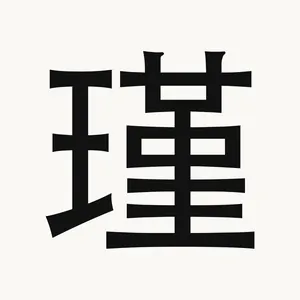 瑾jǐn
瑾jǐn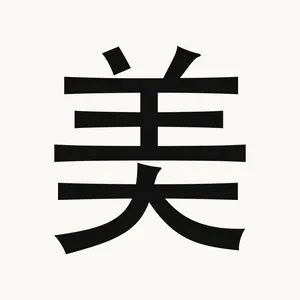 美měi
美měi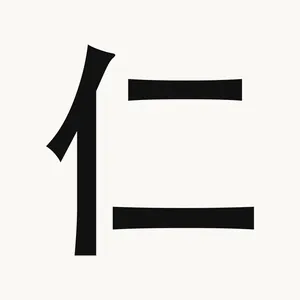 仁rén
仁rén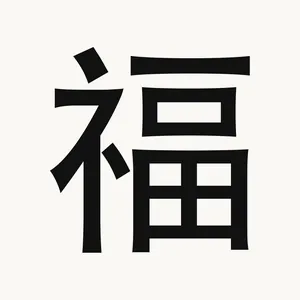 福fú
福fú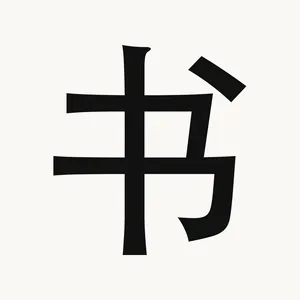 书shū
书shū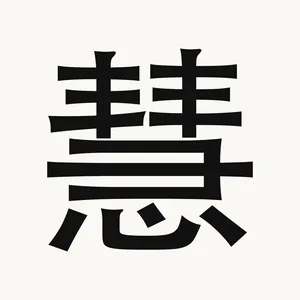 慧huì
慧huì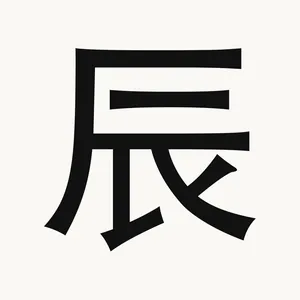 辰chén
辰chén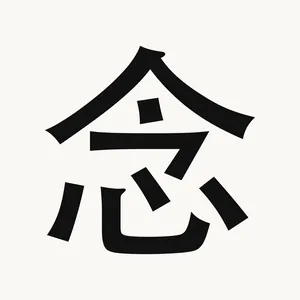 念niàn
念niàn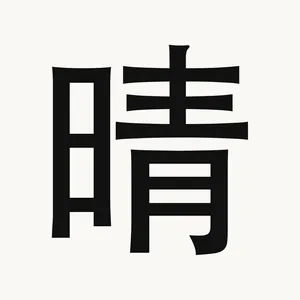 晴qíng
晴qíng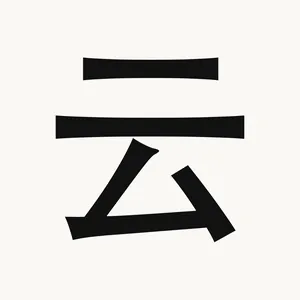 云yún
云yún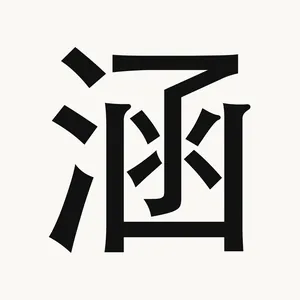 涵hán
涵hán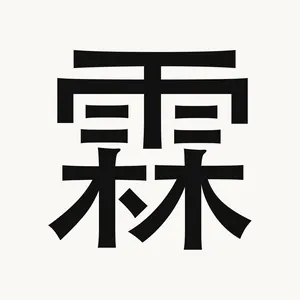 霖lín
霖lín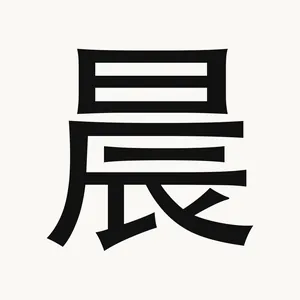 晨chén
晨chén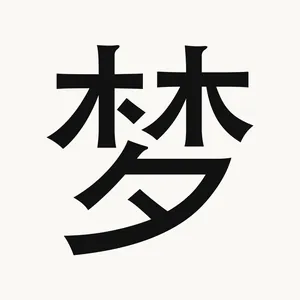 梦mèng
梦mèng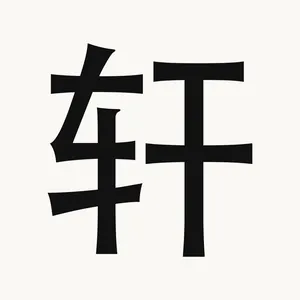 轩xuān
轩xuān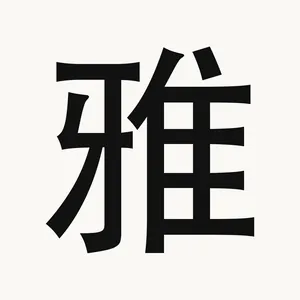 雅yǎ
雅yǎ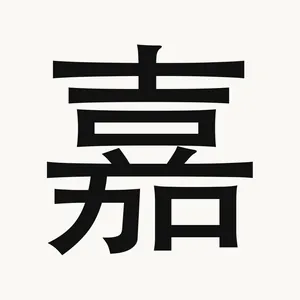 嘉jiā
嘉jiā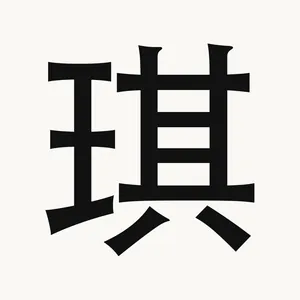 琪qí
琪qí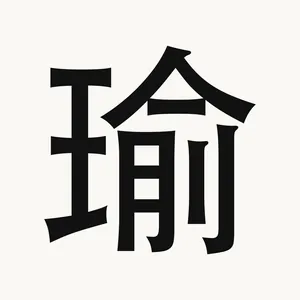 瑜yú
瑜yú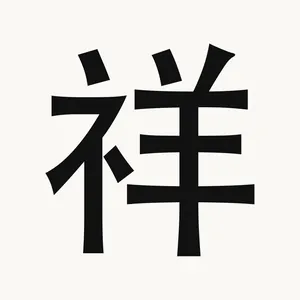 祥xiáng
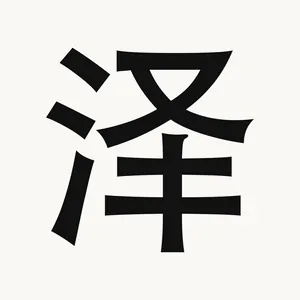 泽zé
泽zé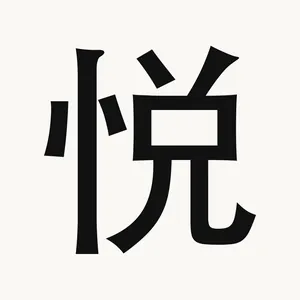 悦yuè
悦yuè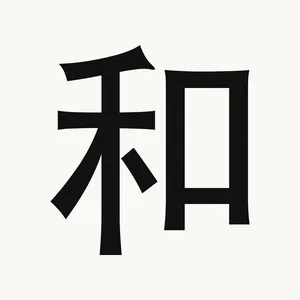 和hé
和hé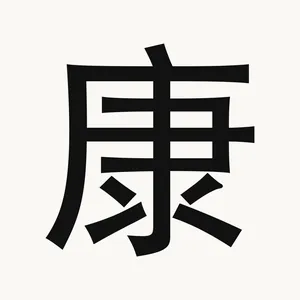 康kāng
康kāng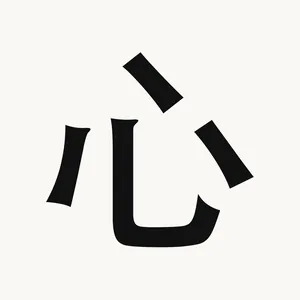 心xīn
心xīn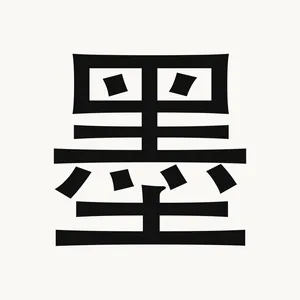 墨mò
墨mò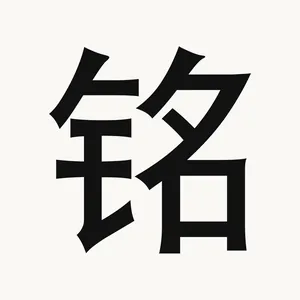 铭míng
铭míng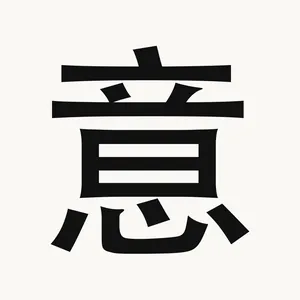 意yì
意yì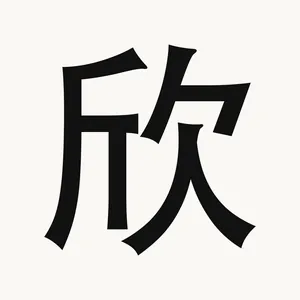 欣xīn
欣xīn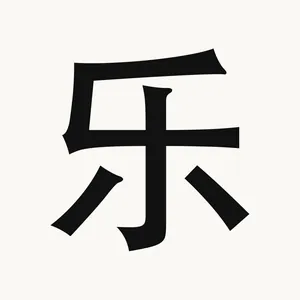 乐lè
乐lè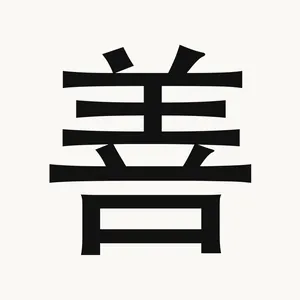 善shàn
善shàn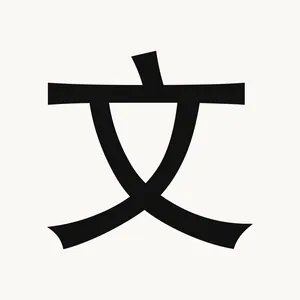 文wén
文wén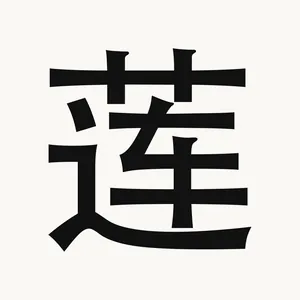 莲lián
莲lián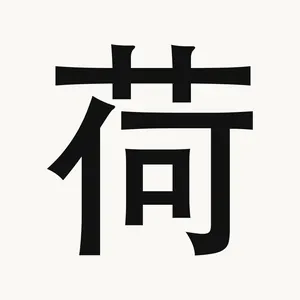 荷hé
荷hé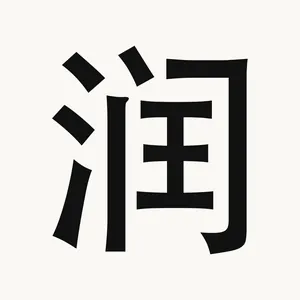 润rùn
润rùn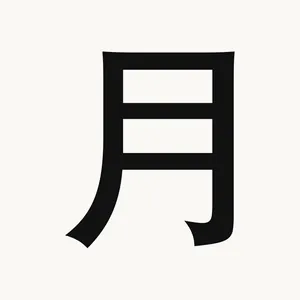 月yuè
月yuè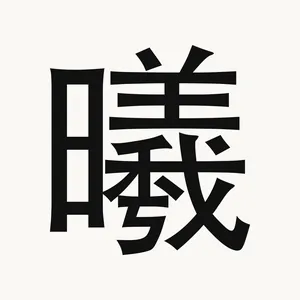 曦xī
曦xī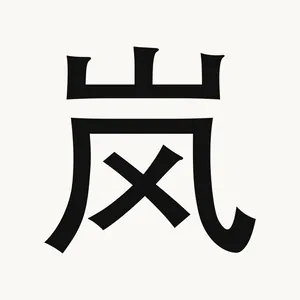 岚lán
岚lán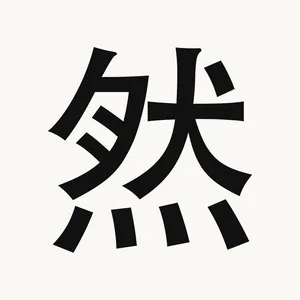 然rán
然rán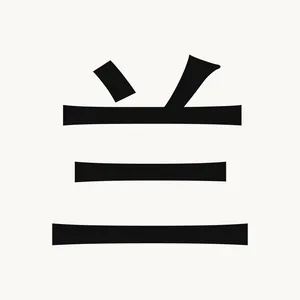 兰lán
兰lán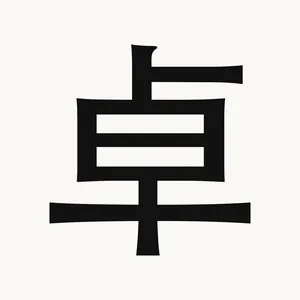 卓zhuó
卓zhuó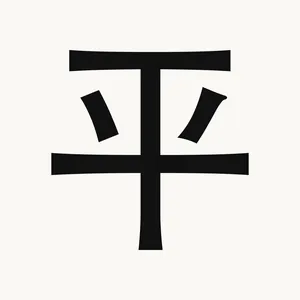 平píng
平píng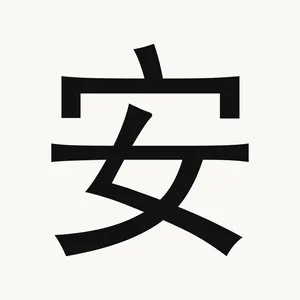 安ān
安ān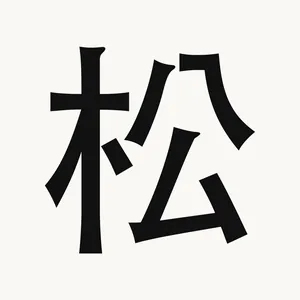 松sōng
松sōng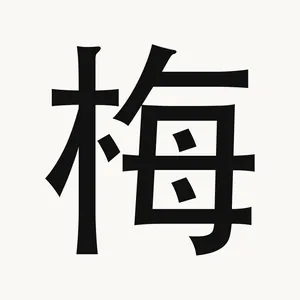 梅méi
梅méi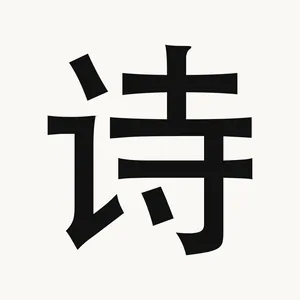 诗shī
诗shī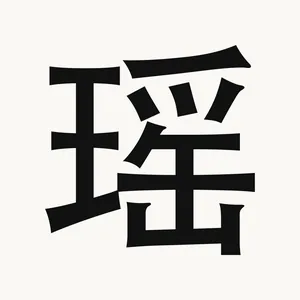 瑶yáo
瑶yáo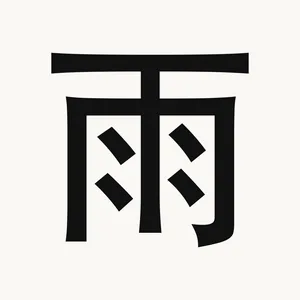 雨yǔ
雨yǔ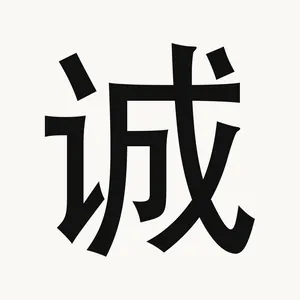 诚chéng
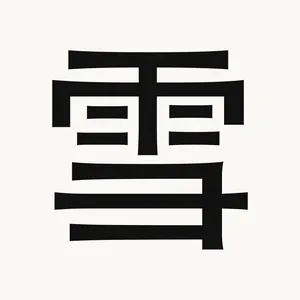 雪xuě
雪xuě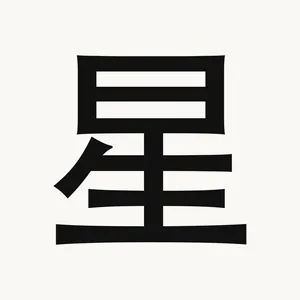 星xīng
星xīng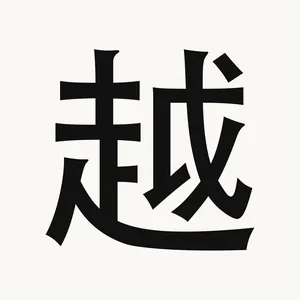 越yuè
越yuè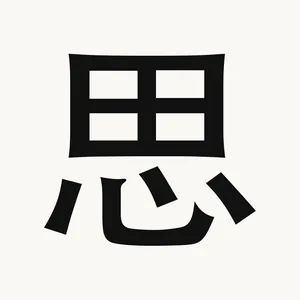 思sī
思sī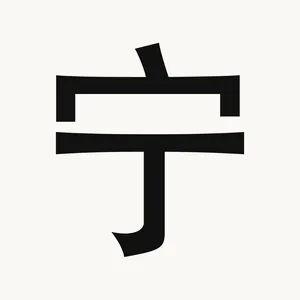 宁níng
宁níng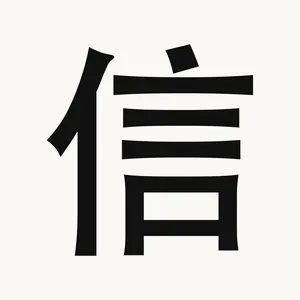 信xìn
信xìn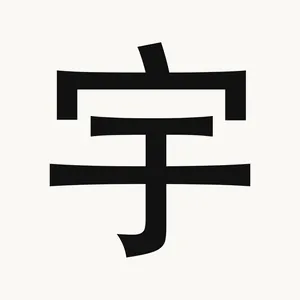 宇yǔ
宇yǔ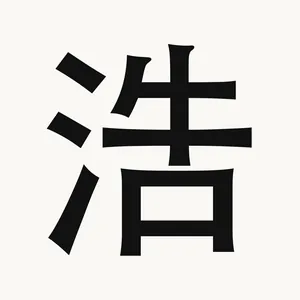 浩hào
浩hào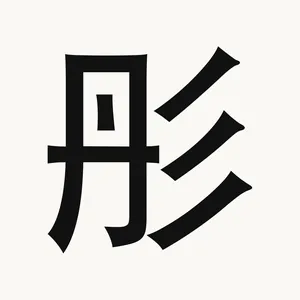 彤tóng
彤tóng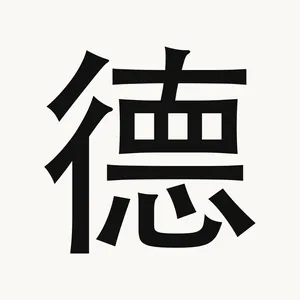 德dé
德dé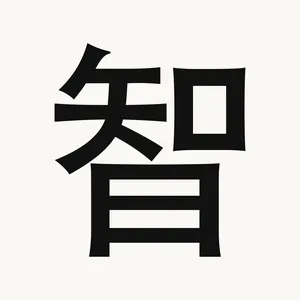 智zhì
智zhì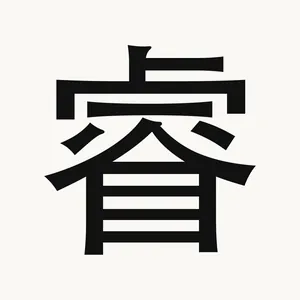 睿ruì
睿ruì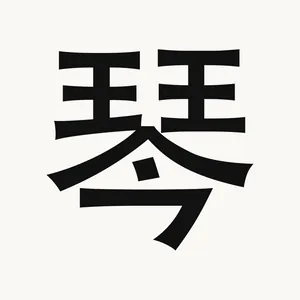 琴qín
琴qín| Character | Pinyin | Meaning | Page |
|---|---|---|---|
| 瑞 | ruì | Open → | |
| 竹 | zhú | Open → | |
| 丽 | lì | Open → | |
| 璐 | lù | Open → | |
| 瑾 | jǐn | Open → | |
| 美 | měi | Open → | |
| 仁 | rén | Open → | |
| 福 | fú | Open → | |
| 书 | shū | Open → | |
| 慧 | huì | Open → | |
| 辰 | chén | Open → | |
| 念 | niàn | Open → | |
| 晴 | qíng | Open → | |
| 云 | yún | Open → | |
| 涵 | hán | Open → | |
| 霖 | lín | Open → | |
| 晨 | chén | Open → | |
| 梦 | mèng | Open → | |
| 轩 | xuān | Open → | |
| 雅 | yǎ | Open → | |
| 嘉 | jiā | Open → | |
| 琪 | qí | Open → | |
| 瑜 | yú | Open → | |
| 祥 | xiáng | Open → | |
| 泽 | zé | Open → | |
| 悦 | yuè | Open → | |
| 和 | hé | Open → | |
| 康 | kāng | Open → | |
| 心 | xīn | Open → | |
| 墨 | mò | Open → | |
| 铭 | míng | Open → | |
| 意 | yì | Open → | |
| 欣 | xīn | Open → | |
| 乐 | lè | Open → | |
| 善 | shàn | Open → | |
| 文 | wén | Open → | |
| 莲 | lián | Open → | |
| 荷 | hé | Open → | |
| 润 | rùn | Open → | |
| 月 | yuè | Open → | |
| 曦 | xī | Open → | |
| 岚 | lán | Open → | |
| 然 | rán | Open → | |
| 兰 | lán | Open → | |
| 卓 | zhuó | Open → | |
| 平 | píng | Open → | |
| 安 | ān | Open → | |
| 松 | sōng | Open → | |
| 梅 | méi | Open → | |
| 诗 | shī | Open → | |
| 瑶 | yáo | Open → | |
| 雨 | yǔ | Open → | |
| 诚 | chéng | Open → | |
| 雪 | xuě | Open → | |
| 星 | xīng | Open → | |
| 越 | yuè | Open → | |
| 思 | sī | Open → | |
| 宁 | níng | Open → | |
| 信 | xìn | Open → | |
| 宇 | yǔ | Open → | |
| 浩 | hào | Open → | |
| 彤 | tóng | Open → | |
| 德 | dé | Open → | |
| 智 | zhì | Open → | |
| 睿 | ruì | Open → | |
| 琴 | qín | Open → |
Need a custom design or a checked translation?
Request a Quote →Chinese Name Studio · Yusheng Home